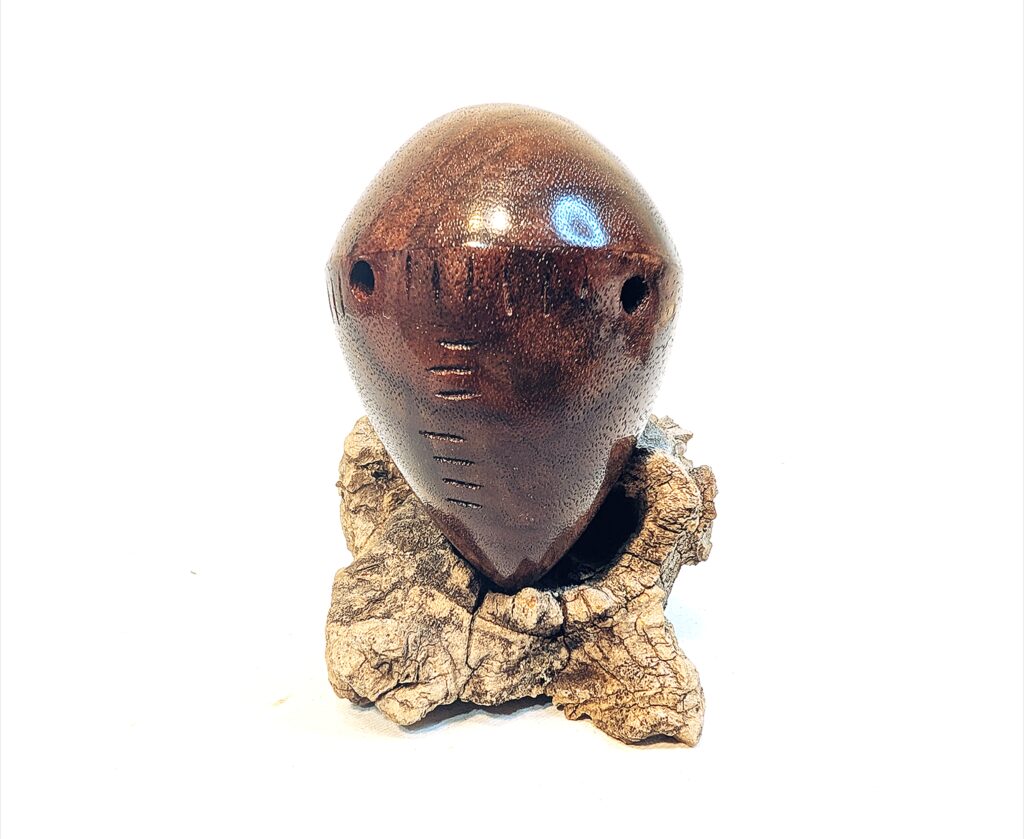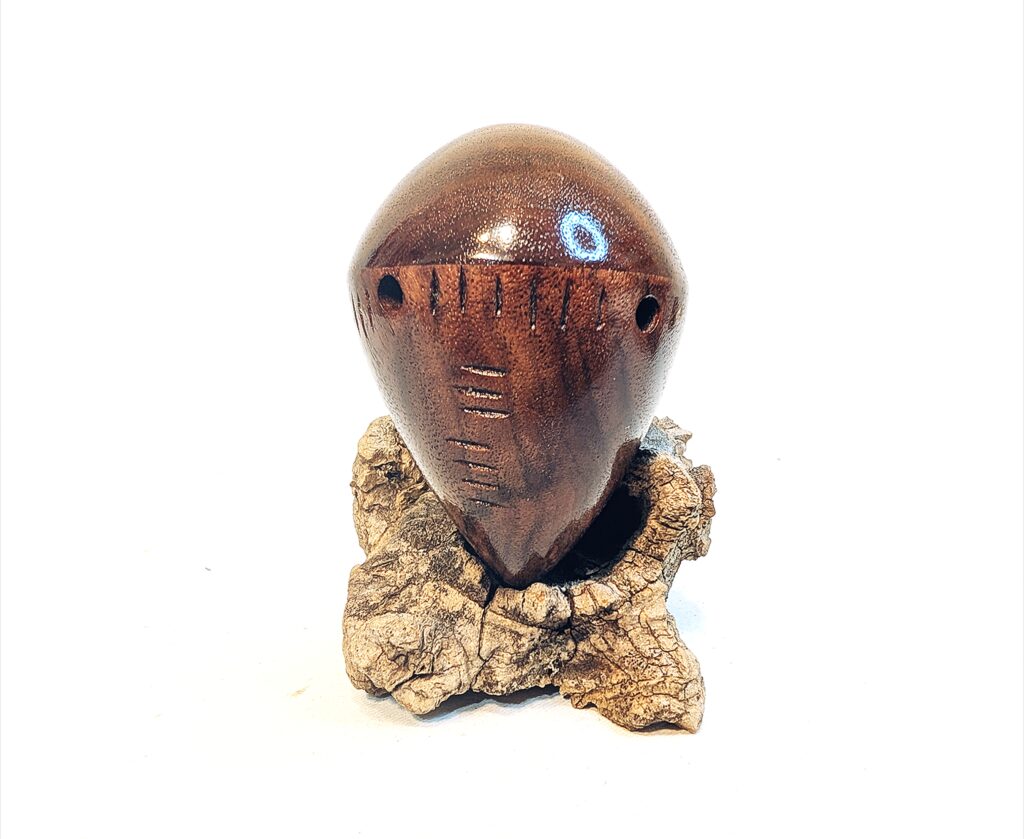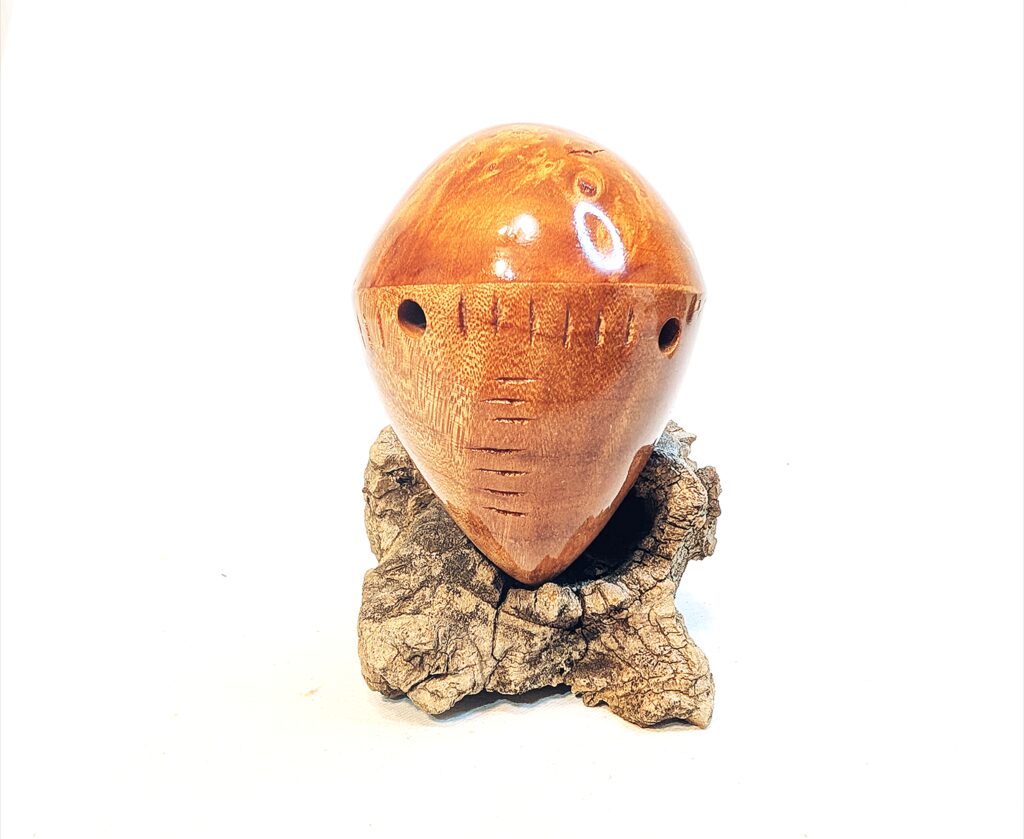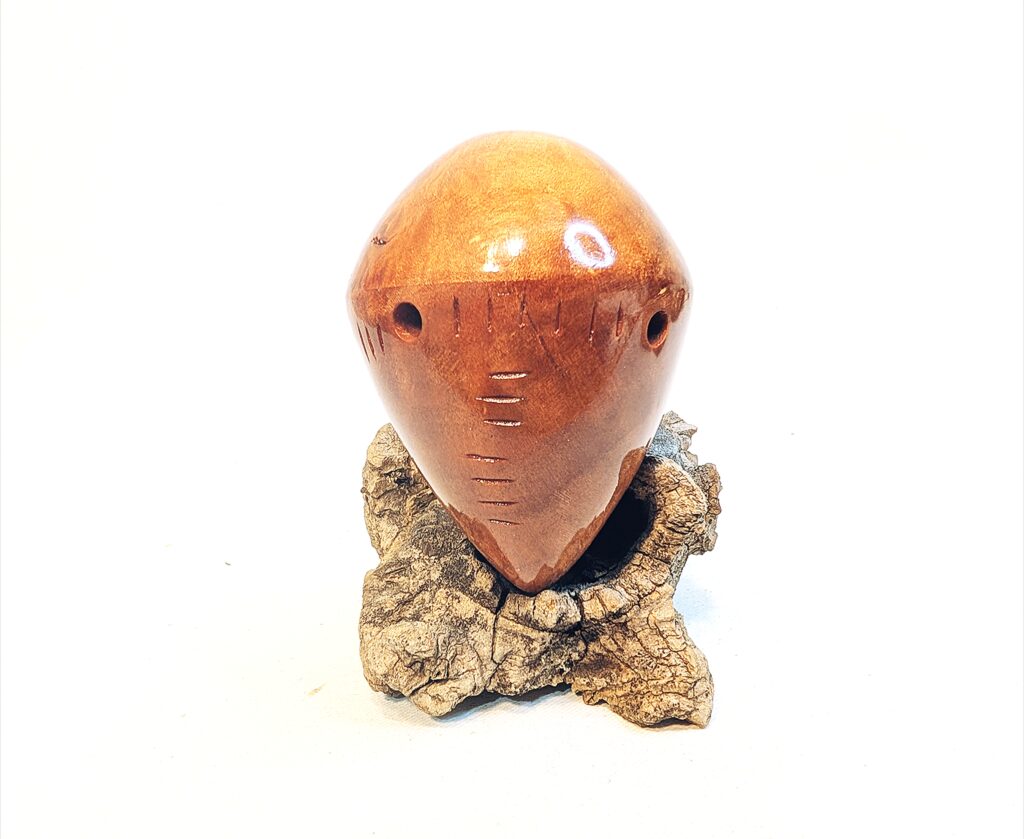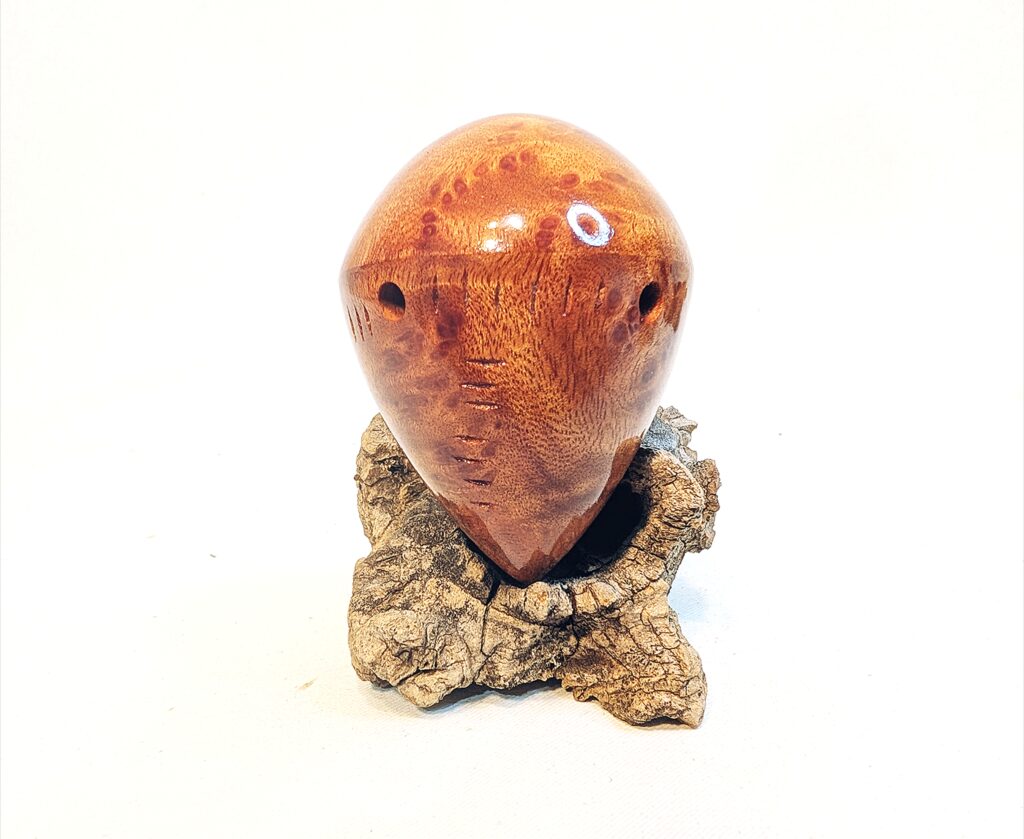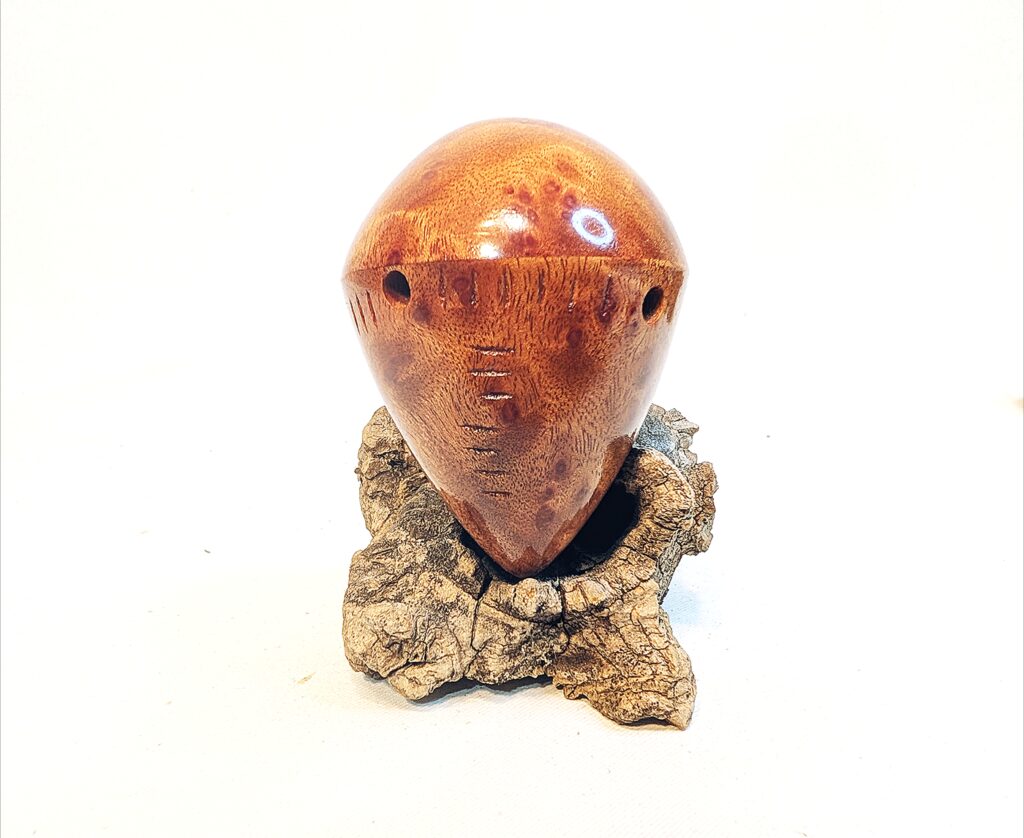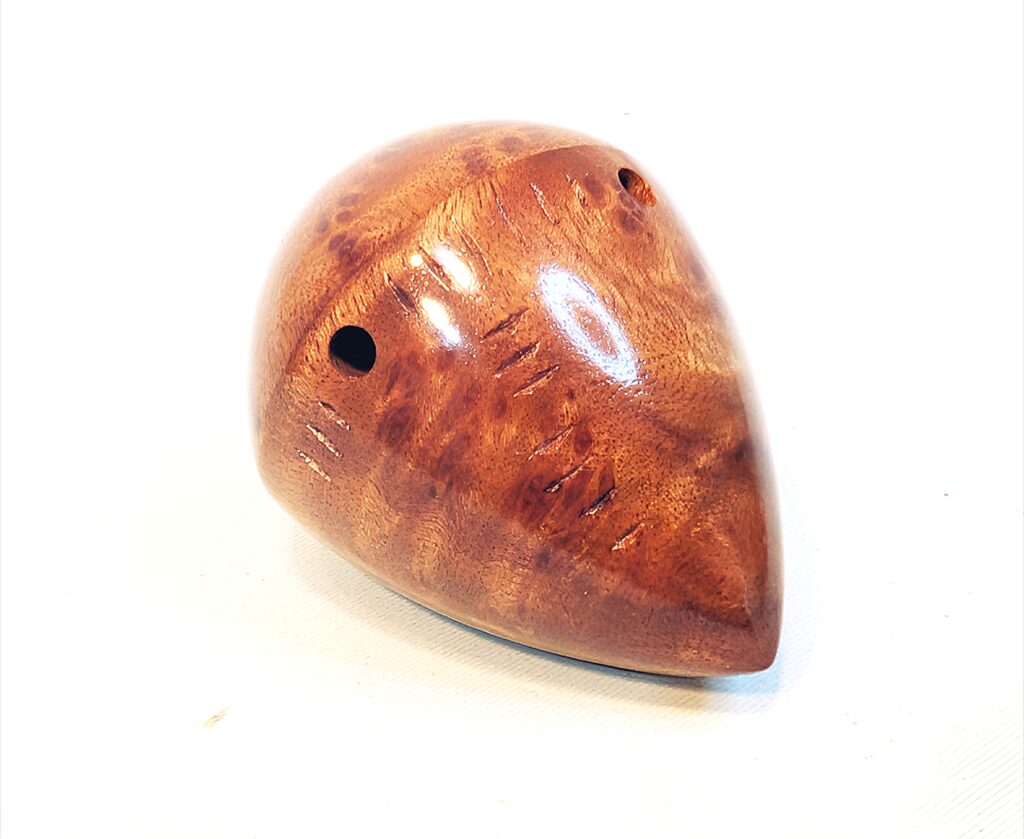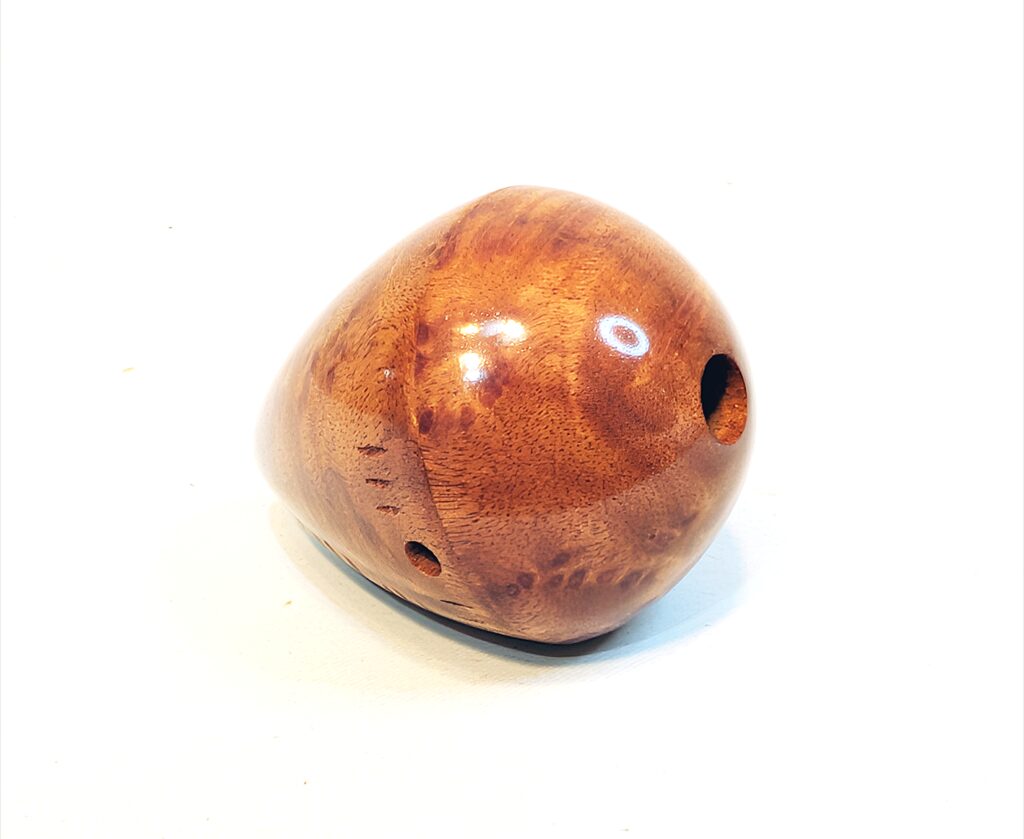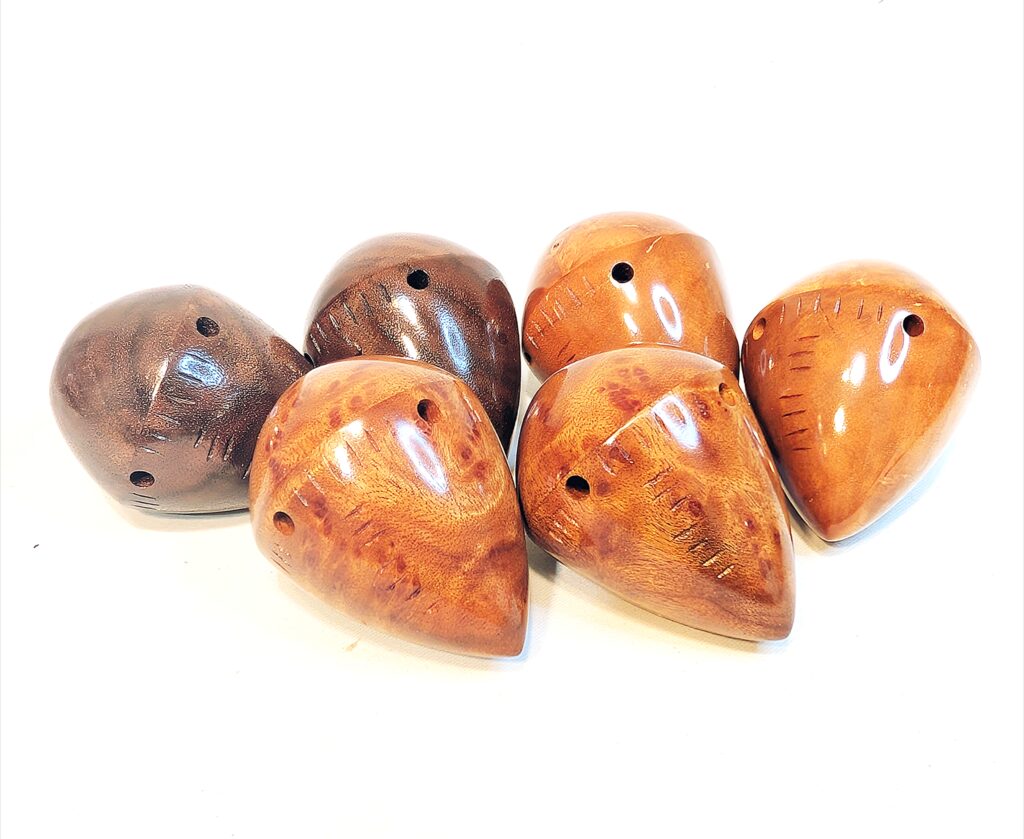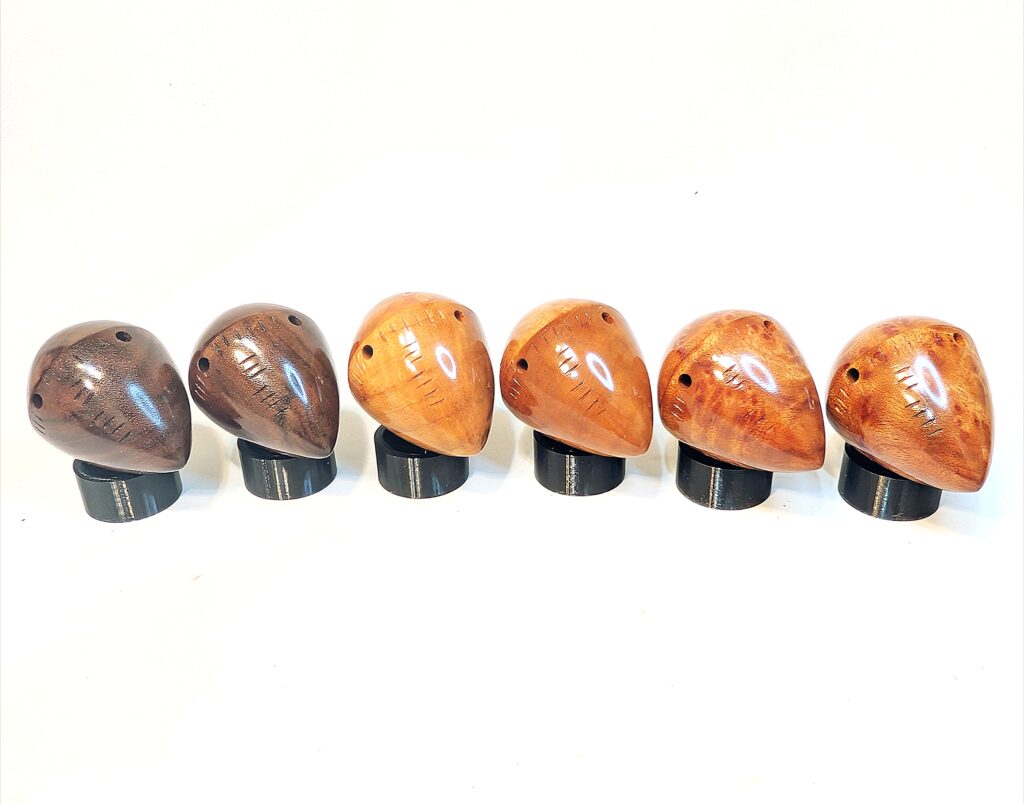
I am very excited to announce the launch of my second historical series replica – a highly accurate and detailed reproduction of the 8000-year-old Runik Ocarina! I have been working on this reproduction for the better part of this year on the side (along with a dozen other historical replicas still under R&D), and I am pleased to finally officially unveil this newest work.
The Runik Ocarina is a fascinating piece of archeological and ancient musical history. Discovered during a major excavation in the late 1960s (1968-1969) in the village of Runik in Skenderaj, Kosovo, this clay earthenware artifact measuring only 8cm in height is the first and only one of its kind discovered to date. Dating back to a minimum of 6000 years, with most estimates placing it as old as 8000 years, the Runik Ocarina represents one of the oldest, if not the oldest, vessel flute ever discovered!
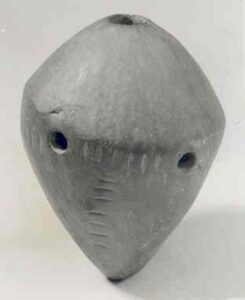
What is perhaps the most exciting part about this artifact is that it is fully in-tact and virtually undamaged, making it one of the oldest fully playable instruments ever discovered as well. Unlike its name suggests (which has been adopted both by the culture and for historical reporting), the Runik Ocarina is not in fact a true ocarina, but rather a rim-blown vessel flute, played exactly like similar analogous instruments such as the Chinese xun. Unfortunately, there are no known recordings of the original artifact, however with the available information, I was able to accurately extrapolate the critical dimensions and parameters needed to replicate this artifact to a very high degree of accuracy to understand what ancient neolithic humans of the time might have played and heard. And that is exactly what has been done here at Bretti Musical Instruments!
In replicating the Runik Ocarina, I didn’t want to just create a representation or inspired instrument, but a model as physically close to the original dimensions and features of the ancient artifact to better understand and represent the original form and tuning of the instrument. Although is very little published details on the original artifact, with just some general pictures and articles on the dig, as well as the facts that are known about the instrument we can accurately recreate and rebuild the original instrument and its close to original tuning. Taking these considerations into play, from the available information and pictures I have been able to recreate the fingerhole and soundhole sizes to replicate the potentially original tuning of the artifact as close as possible aside from physically taking measurements in person. At this present time, there have been no published recordings or observations on the tuning of the original artifact, and as such the replication efforts at Bretti Musical Instruments represents the first publicly reported and documented findings. Based on my reproduction efforts, for the given size cavity and holes, I have found the Runik Ocarina would most likely have the following note range and progression (based on the standard of A4=440Hz): C#5, E5, F#5. If you play these notes out, you will come to a surprising realization: the tuning follows a pentatonic scale progression!
This first batch of replicas consists of six Runik Ocarinas in three sets of woods: two black walnut, two maple burl, and two camphor burl. Each of these woods have their own unique character and aesthetic appeal, featuring a variety of hues and figure. The tone of the Runik Ocarina is breathy, raw, and truly ancient. Although it only has two fingerholes for three fundamental notes, using bending techniques as well as partial hole shading you can still achieve a wide dynamic of notes in between the fundamentals, and coupling with other techniques such as fast trills, chirps, deep bends, and good breath control, a whole palate of sonic colors can be realized. While compared to modern instruments the Runik Ocarina is extremely humble with a few notes – and surely you won’t be playing your favorite Baroque concertos or modern video game music, there is something truly beautiful and liberating in exploring a very simple set of notes, and getting to understand what neolithic humans 8000 years ago may have heard and played themselves. I know that I will absolutely be keeping one of these instruments in my own personal collection, and have many more in fantastic new woods already planned out.
Additional information on my replication efforts and options for the Runik Ocarina can be found on the dedicated information page below:
The Runik Ocarina
In addition, like all my other builds, I released a highly detailed overview video of this reproduction effort, which as far as I am aware is the first and most thorough public reporting and analysis of the artifact and its reproduction to date:
The Runik Ocarina – Recreating an 8000-Year-Old Vessel Flute